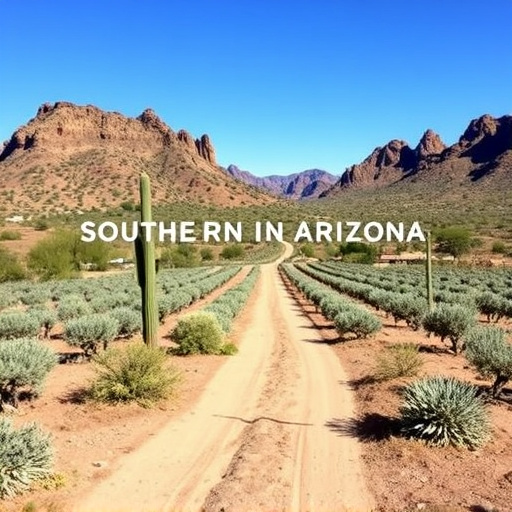
Southern Arizona Wine Tours: A Comprehensive Exploration
Introduction
Welcome to an in-depth journey into the vibrant world of Southern Arizona wine tours, a growing phenomenon that has captivated both locals and visitors alike. This article aims to offer a comprehensive guide, shedding light on various aspects that contribute to the success and allure of these immersive experiences. From its rich history and global influence to economic implications and technological innovations, we will uncover the multifaceted nature of Southern Arizona’s wine tourism industry. By the end, readers should have a profound understanding of this unique cultural and culinary attraction.
Understanding Southern Arizona Wine Tours: A Definition and Its Essence
Definition: Southern Arizona wine tours refer to organized trips that take visitors on a journey through the renowned vineyards and wineries nestled in the picturesque landscapes of southern Arizona. These tours offer an immersive experience, allowing participants to sample diverse wines, learn about viticulture and winemaking processes, and appreciate the region’s unique terroir.
Core Components:
- Wineries: The heart of any wine tour, these establishments produce and showcase a variety of wines, often with unique blends tailored to the local climate. Many wineries also offer tastings, tours, and educational experiences.
- Transportation: Tours typically provide transportation, ensuring guests can enjoy the experience without the hassle of driving. This may include luxury vans, buses, or even bike tours for an active approach.
- Guides: Expert guides play a vital role in enhancing the tour’s value. They offer insights into wine production, share fascinating stories about the region, and ensure guests have an enriching experience.
- Tastings and Pairing: A key attraction is the opportunity to taste diverse wines, often accompanied by food pairings designed to enhance the sensory experience.
Historical Context: Wine production in Southern Arizona has deep roots, dating back to the late 19th century when early settlers introduced grapevines. However, it gained significant momentum in the late 20th century with the establishment of several wineries and the recognition of the region’s ideal climate for viticulture. Today, southern Arizona boasts over 40 operating wineries, attracting wine enthusiasts from around the globe.
Global Impact and Trends: A World of Wine Exploration
Southern Arizona wine tours have left an indelible mark on the global wine tourism map. Here’s how:
-
International Appeal: The region’s unique terroir, characterized by hot days and cool nights, has attracted international attention for its ability to produce diverse grape varieties with exceptional flavors. This has led to a surge in foreign visitors seeking exclusive wine experiences.
-
Trends Shaping the Industry:
- Sustainability: Many Arizona wineries embrace sustainable practices, using organic farming methods and renewable energy sources. This trend resonates globally as consumers increasingly demand environmentally conscious products.
- Craft Wine Focus: There is a growing emphasis on craft wines, with smaller, family-owned wineries producing unique, small-batch varieties. This appeals to wine connoisseurs seeking rare and distinctive flavors.
- Food Pairing Innovation: Arizona winemakers collaborate with local chefs to create innovative food pairings, enhancing the overall dining experience.
-
Regional Impact: Wine tourism has positively influenced nearby communities by:
- Boosting local economies through visitor spending.
- Creating employment opportunities in hospitality and agriculture.
- Revitalizing rural areas by providing a unique draw for tourists.
Economic Considerations: Pouring into the Local Economy
The economic impact of Southern Arizona wine tours is substantial, contributing to various sectors:
| Sector |
Impact |
| Tourism: Wine tours attract an estimated 150,000 visitors annually, generating over $20 million in direct spending. |
This influx supports local hotels, restaurants, and transportation services, creating indirect jobs. |
| Agriculture: The wine industry contributes approximately $70 million to Arizona’s agricultural GDP, primarily through grape purchases from local farms. |
It encourages sustainable farming practices and fosters relationships between wineries and area growers. |
| Employment: Wineries directly employ around 1200 people, while tour operators and related businesses add another 500 jobs. |
The industry’s growth potential offers career opportunities in viticulture, enology, hospitality, and tourism. |
| Real Estate: The success of wine tours has led to the development of luxury resorts and residential properties nearby, increasing property values. |
This surge in demand for upscale accommodations benefits local real estate markets. |
Technological Advancements: Modernizing Wine Tours
Technology plays a pivotal role in enhancing the Southern Arizona wine tour experience:
- Online Booking Platforms: Digital booking systems allow visitors to plan tours easily, check availability, and make reservations online. This provides convenience and improves customer engagement.
- Augmented Reality (AR) Tours: Some wineries are adopting AR technology to offer interactive, immersive tours. Visitors can scan QR codes at each winery, accessing 360-degree views and educational content.
- Social Media Engagement: Wineries utilize social media platforms to showcase their wines, events, and behind-the-scenes content, attracting a younger audience and fostering brand loyalty.
- Data Analytics: Tour operators use data analytics to understand visitor preferences, optimize itineraries, and personalize experiences. This ensures tours cater to diverse interests.
Beyond Tastings: Cultural and Educational Experiences
Southern Arizona wine tours offer more than just wine sampling; they provide cultural and educational insights:
- Historical Tours: Many tour packages include visits to historic sites, allowing guests to learn about the region’s rich history, including its Native American heritage and Spanish colonial past.
- Art and Craft Demonstrations: Wineries often collaborate with local artists and craftspeople, offering demonstrations during tours. This showcases the region’s vibrant arts scene.
- Educational Workshops: Some wineries host workshops on winemaking, grapevines, and sustainability, providing guests with valuable knowledge and a deeper appreciation for the industry.
- Community Events: Wine festivals, music concerts, and food fairs organize around wine tour seasons, attracting locals and visitors alike.
Sustainability in the Vineyard: Arizona’s Green Approach
Arizona wineries are renowned for their commitment to sustainability, which is a significant draw for environmentally conscious travelers:
- Organic Farming: Many vineyards practice organic farming methods, avoiding synthetic pesticides and fertilizers, ensuring healthier grapes and a safer ecosystem.
- Water Conservation: Innovative irrigation systems, including drip and micro-sprinkler technology, minimize water usage, addressing Arizona’s arid climate challenges.
- Renewable Energy: Some wineries have adopted solar panels and wind turbines to power their operations, reducing their carbon footprint.
- Waste Reduction: Industry efforts focus on recycling and composting, minimizing solid waste generated during production and tour operations.
Overcoming Challenges: Ensuring the Future of Wine Tours
While Southern Arizona wine tours thrive, challenges exist that require attention:
- Seasonality: The industry heavily relies on spring and fall seasons for optimal weather, limiting year-round tourism. Extending the tourist season through marketing campaigns and seasonal events can mitigate this issue.
- Transportation Infrastructure: Improving road conditions and transportation options can enhance the overall visitor experience, especially during peak seasons.
- Competition: As wine tourism gains popularity, nearby regions may intensify competition for visitors. Differentiating Arizona’s offerings through unique experiences and high-quality services is crucial.
- Labor Availability: Ensuring a stable workforce remains a challenge, particularly in specialized roles like viticulture and enology. Training programs and partnerships with educational institutions can address this.
Conclusion: A Toast to the Future of Wine Tourism
Southern Arizona wine tours have established themselves as a premier destination on the global wine tourism map. With its rich history, diverse terroir, and commitment to sustainability, the region offers an unparalleled experience. As technology continues to evolve and industry professionals adapt to changing trends, the future looks bright for this vibrant sector. Visitors can look forward to even more immersive, educational, and sustainable wine experiences in the years to come.
Cheers to the thriving and ever-evolving world of Southern Arizona wine tourism!
Nestled in southern Arizona, Sonoitas boasts diverse microclimates perfect for grape cultivation, resulting in a vast array of wines. Wine enthusiasts can explore these microclimates through curated wine tours, sampling from crisp whites to robust reds. This natural diversity makes Sonoitas a top destination for tourists seeking distinctive tastings and unforgettable experiences in the region's thriving wine scene.
“Uncover the enchanting microclimates of Sonoitas and their profound impact on the region’s diverse wines. This guide invites you to embark on a sensory journey through Southern Arizona’s hidden gems, offering unique wine tasting adventures. From the sun-kissed hills to the cooler canyons, each microclimate presents distinct grape varieties and flavors. Explore tailored tours catering to every palate, immersing yourself in the vibrant wine culture of this captivating region, all while experiencing the enchanting beauty of Southern Arizona wine tours.”
Discovering Sonoitas' Microclimates: A Wine Lover's Guide
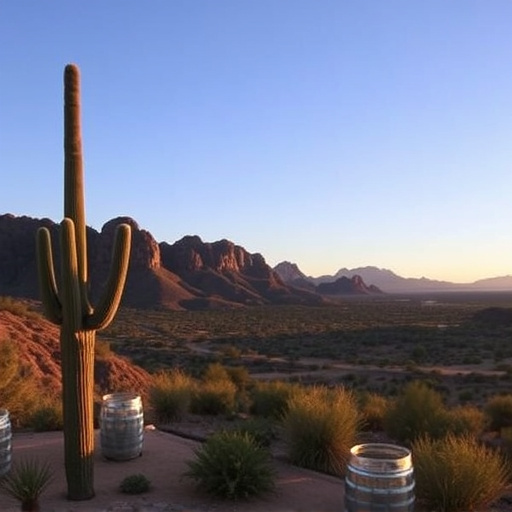
Sonoitas, nestled in the heart of southern Arizona, boasts a diverse landscape that gives rise to remarkable microclimates, each offering unique characteristics for grape cultivation. This diverse geography translates into an extraordinary range of wines, making it a haven for wine enthusiasts seeking distinct tastings.
For those embarking on southern Arizona wine tours, exploring these microclimates is a captivating journey. From the cooler elevations where grapes ripen slowly to the sun-drenched valleys that foster robust varieties, each area contributes its own flavor profile. This natural diversity allows winemakers to craft a remarkable array of wines, from crisp whites to robust reds, providing visitors with an unforgettable sensory experience during their tours.
Exploring Southern Arizona's Wine Tours: Adventures for Every Palate
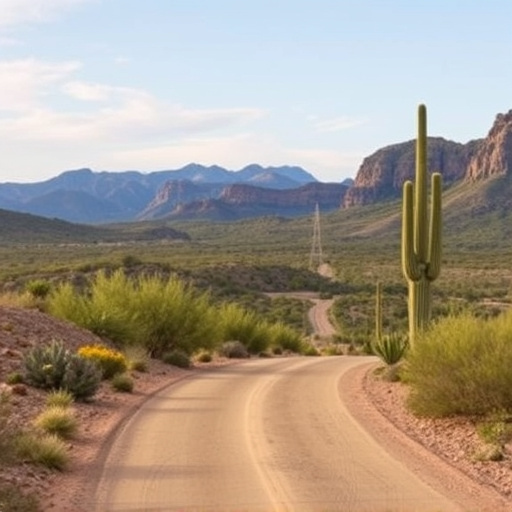
In Southern Arizona, wine enthusiasts can embark on thrilling journeys through picturesque landscapes, exploring the diverse microclimates that nurture an array of remarkable wines. These southern arizona wine tours cater to every palate and interest, offering more than just a taste of the region’s renowned vintages. Tourists can immerse themselves in the local culture, learn about sustainable winemaking practices, and discover hidden gems among the state’s thriving wineries.
Each tour provides a unique perspective on the area’s distinct terroir, allowing visitors to sample a variety of wines that reflect the subtle nuances of Sonoita’s sunny skies and verdant valleys. Whether you’re a seasoned oenophile or just starting your wine adventure, these tours promise an unforgettable journey through Southern Arizona’s vibrant wine scene, leaving you with stories and sips to cherish.
Sonoitas’ diverse microclimates offer a unique wine-tasting journey through southern Arizona. From rolling hills to desert landscapes, each area cultivates distinct grape varieties and flavors. Exploring these regions via specialized wine tours provides an immersive experience for every palate. With various tour options available, visitors can delve into the local terroir, discover rare vintages, and enjoy the vibrant, bustling wine culture that defines this captivating part of Arizona.